






Summary: Safcol has opened a new $11 million fish market facility in Thebarton, replacing its older Mile End site with a more modern hub for South Australia’s seafood trade. The upgraded market is built to move seafood faster, improve traceability, and strengthen day-to-day links between local fishermen, wholesalers, retailers, restaurants and buyers across Adelaide.
For a state known for premium seafood, that matters. A more efficient market means fresher fish, clearer chain of custody, and a quicker path from boat to plate for homes, fishmongers and hospitality venues alike.
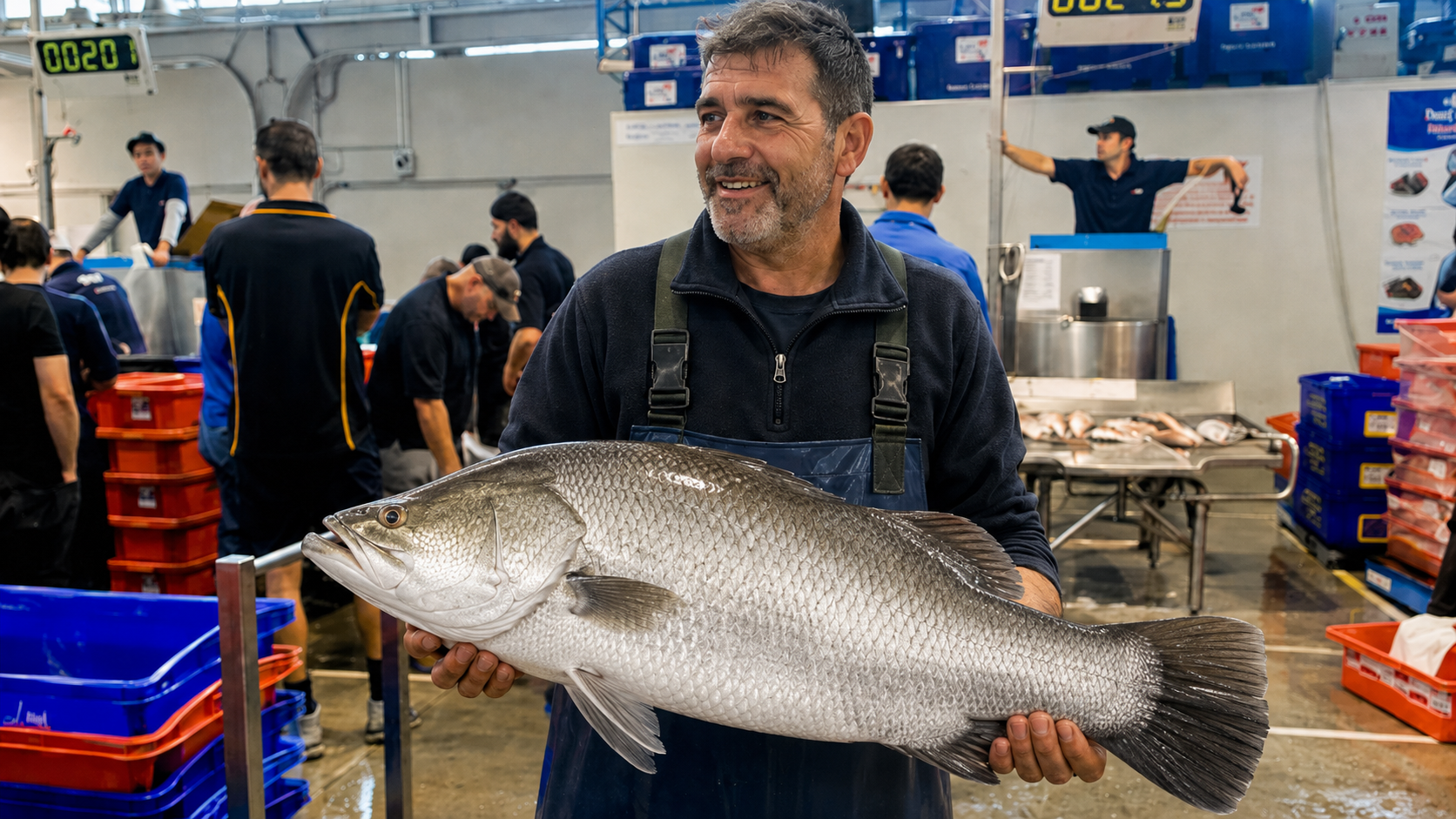
Safcol Opens New Fish Market Facility in Thebarton
Safcol’s new Thebarton fish market facility is a significant piece of supply chain infrastructure for South Australia’s seafood industry. While the headline figure is the $11 million investment, the bigger story is what the new site changes in practical terms: faster handling, colder storage, smoother auctions, and better access for the businesses that rely on a dependable daily seafood marketplace.
The move from Mile End to Thebarton reflects a long-term commitment to South Australia rather than a simple change of address. Safcol is positioning the facility as a more capable base for the local seafood trade, with systems and layout designed to support fishermen, suppliers, wholesalers and hospitality customers more efficiently.
Why This Facility Matters to South Australia’s Seafood Supply Chain
South Australia has built a strong reputation for high-quality seafood, from premium local catch supplied to restaurants through to fresh fish sold by retailers and independent seafood outlets. But quality on the water is only part of the equation. Once seafood is landed, speed, temperature control, handling and transparency all affect what ultimately reaches the customer.
That is where the new Thebarton facility becomes important. A better-organised market can reduce delays between unloading, auction, storage and dispatch. In seafood, even small gains in timing and handling can make a meaningful difference to freshness and buyer confidence.
For industry participants, the benefits are broad:

- Fishermen gain a more efficient marketplace for selling catch.
- Wholesalers and suppliers can move product through the chain faster.
- Retailers have better access to fresh local seafood.
- Restaurants and hospitality venues can secure quality product for same-day service.
- Consumers benefit from fresher seafood and stronger traceability.
From Mile End to Thebarton: A Practical Upgrade, Not Just a Relocation
Safcol’s former Mile End site served the market for years, but the shift to Thebarton signals the need for infrastructure that better matches current expectations around food logistics, access and traceability. Seafood businesses today need more than a basic trading floor. They need reliable cold-chain management, efficient vehicle movement, easy loading access and systems that help buyers know exactly what they are purchasing.
The Thebarton facility has been developed with those practical demands in mind. Improved site access and upgraded parking may sound minor on paper, but for a busy early-morning seafood market, they can help reduce congestion and improve turnaround times for customers and operators moving product in and out.
That matters across Adelaide’s wider food network, where timing often determines whether seafood lands in a retail display, a restaurant kitchen or a customer order the very same day.
Safcol’s South Australian Roots Still Shape the Business
Safcol was founded in 1945 by South Australian fishermen, and the company continues to emphasise those local roots even as it has grown into a major Australian food manufacturer. That history is relevant here because the new fish market facility is closely tied to Safcol’s original connection with the state’s fishing community.
Rather than presenting the site purely as a corporate expansion, the stronger reading is that this is an attempt to modernise the trading environment around an industry Safcol has long been linked to. The company’s ongoing messaging centres on supporting fishing communities, improving freshness and building a more effective route between local catch and the businesses that buy it.
Comments from Andrew Mitchell reinforce that point, with the new facility framed as a long-term investment in the sector and in the people who depend on it. The emphasis is less on branding and more on making the seafood system work better from the point of landing through to sale and distribution.
What Has Actually Been Upgraded at the New Fish Market?
The strongest value of the Thebarton site lies in a series of practical improvements that affect daily operations.
Improved auction facilities
A more modern auction setup helps buyers and sellers work through product more efficiently in the early trading window. Faster, clearer auction processes can shorten the time seafood spends waiting to be sold and dispatched.
Advanced refrigeration systems
Cold storage is critical in seafood logistics. Better refrigeration helps maintain temperature consistency, preserve quality and reduce the risk of freshness loss while product moves through the market.
New forklifts and handling equipment
Upgraded forklifts and movement equipment improve how quickly seafood can be unloaded, transferred, stored and prepared for collection. Less handling friction often means faster movement and lower risk of delays.
Better customer amenities
For wholesalers, buyers and other visitors, improved customer areas create a more functional trading environment. In a busy commercial market, good amenities support smoother operations and a better day-to-day experience.
Upgraded parking and site access
Traffic flow is easy to overlook, but it plays a major role in market efficiency. Better parking, easier entry and improved circulation around the site can help vehicles load and leave more quickly, especially during peak periods.
Taken together, these upgrades are not cosmetic. They are the kind of operational improvements that help seafood move faster while protecting quality at every stage.
How the Digital Auction and Traceability System Helps Buyers
One of the most useful improvements at the facility is the digital auction and traceability system. In simple terms, the system links fish batches to the fishermen who caught them. That gives buyers clearer information about where product came from and helps strengthen chain of custody.
For restaurants, retailers and wholesalers, traceability is no longer a nice extra. It supports purchasing confidence and helps businesses answer customer questions about origin and supply. In an industry where freshness and provenance are closely tied, that transparency adds real commercial value.
The system also helps modernise the market without making it overly complex. Buyers still need speed, but they also want confidence in what they are buying. A clearer digital record helps deliver both.
What It Means for Adelaide Restaurants, Retailers and Home Consumers
The new facility is not only relevant to fishermen and wholesalers. It also feeds directly into Adelaide’s dining scene and retail food economy. Seafood sold through the market in the morning can often make its way to restaurant kitchens, seafood counters and household tables on the same day.
That fast turnaround gives chefs and food businesses more scope to showcase local produce at its best. It also helps retailers offer customers fresher local seafood with a clearer story behind it.
In a city where diners increasingly care about provenance and quality, the infrastructure behind the market matters almost as much as the menu. If the supply chain is quicker and colder, the final plate is likely to be better.
For consumers, the benefits are straightforward:
- fresher seafood reaching shops and venues sooner
- better transparency around where fish was caught
- stronger support for local South Australian fishing communities
- more reliable supply for retailers and hospitality businesses
A Wider Boost for South Australia’s Seafood Industry
Beyond Adelaide, the Thebarton fish market facility supports a much wider network of regional and metropolitan businesses. Local fishermen depend on efficient market access. Suppliers and wholesalers depend on a site that can process product quickly. Retailers and restaurateurs depend on consistency, freshness and reliable availability.
That makes the facility more than a standalone business investment. It functions as a piece of industry infrastructure that can improve coordination across multiple parts of the seafood economy. In practical terms, better infrastructure can support stronger prices, less waste, better quality retention and more dependable service throughout the chain.
Andrew Mitchell’s comments around freshness, supply chain efficiency and backing the fishing community point to that larger purpose. The new site is intended to help preserve the value of local catch while making the market more responsive to modern buyer expectations.
The Bigger Picture: Modern Infrastructure for an Ocean-to-Plate Economy
South Australia’s seafood reputation has been built over decades, but protecting that reputation requires ongoing investment after the fish leave the water. Markets, cold storage, digital systems and site access all shape how well the industry performs in the real world.
Safcol’s new Thebarton fish market facility shows how that next stage of the supply chain is being modernised. The project connects local catch with better logistics, more transparent trading and a stronger route into Adelaide’s restaurants, retailers and homes.
In short: Safcol’s Thebarton facility is more than a new market site. It is a long-term investment in South Australia’s seafood future, linking local fishermen, modern infrastructure and Adelaide’s food culture more closely than before.