





Key takeaways:
- Australian regulators are warning that crypto investment scams are increasingly starting on social media and moving into private messaging apps like WhatsApp.
- ASIC says many cases involve fake crypto trading platforms that show fabricated profits, balances, and transaction histories.
- Victims are often drawn in through investment groups, direct messages, or ads, then pressured to deposit more money and pay fake withdrawal fees.
- Younger investors may be more exposed because trading ideas, influencer content, and crypto hype now spread rapidly across social platforms.
- Before sending funds, investors should verify whether a provider is properly registered, including through official tools such as the VASPR register.
Australia is warning of rising crypto investment scams on messaging apps, and the concern goes beyond another standard fraud alert. Regulators are increasingly pointing to a broader pattern: scammers are manufacturing trust online, blending social media persuasion with private chat manipulation to make fake investment opportunities look real.
That matters because today’s crypto scams do not always begin with an obvious red flag. They often start with a polished ad, an investment post, or a seemingly legitimate discussion group. By the time the conversation moves into a private messaging app, the victim may already feel they are dealing with a helpful community, a successful trader, or even a platform representative.

Australia warns of rising crypto investment scams on messaging apps
Australian authorities have flagged a growing wave of crypto investment scams linked to messaging apps and social media. The warning reflects a clear shift in scam tactics. Instead of relying only on cold calls or crude phishing emails, fraudsters now build relationships over time across digital platforms people use every day.
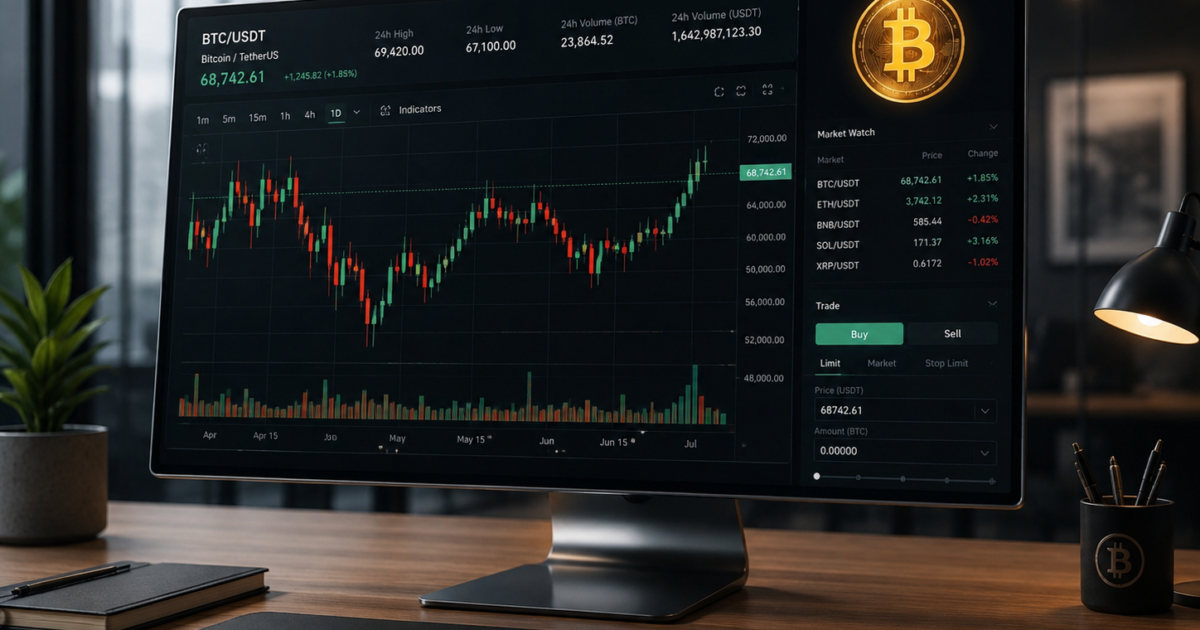
According to ASIC, many of these scams involve fake crypto-asset trading platforms. On the surface, these sites or apps can look convincing. They may feature professional branding, customer support chats, realistic charts, and account dashboards that appear to show live trading activity.
But behind the interface, no genuine trading is taking place. The money deposited by victims is typically sent directly to the scammers, while the platform simply displays fabricated account movements to keep the user engaged and optimistic.
How social media and WhatsApp-style chats turn interest into fraud
A common pattern starts on social media. A person may see an ad promoting crypto returns, encounter an investment-related post, or join a trading discussion group. These entry points are effective because they feel familiar and low-pressure at first.

From there, scammers often move users into more controlled environments such as WhatsApp or other messaging apps. That shift is important. Private chat gives fraudsters more influence over the pace, tone, and emotional pressure of the conversation.
How the scam typically unfolds
- A user sees a crypto ad, investment tip, or trading success story on social media.
- They are invited into a group chat or contacted directly by someone posing as an investor, mentor, or support agent.
- The scammer introduces a crypto trading platform and encourages a small initial deposit.
- The victim is shown strong returns through a fake dashboard with fabricated profits and transactions.
- Once trust is established, the victim is pushed to deposit larger amounts.
- When they try to withdraw, they are told to pay extra charges such as tax, processing fees, or release fees.
This is one reason crypto investment scams on messaging apps are proving so dangerous. The scam is no longer just about a fake website. It is about an orchestrated experience designed to lower skepticism step by step.
ASIC highlights fake crypto trading platforms and fabricated profits
ASIC has specifically highlighted scams involving fake crypto-asset trading platforms. These platforms may show:
- fake balances that appear to grow quickly
- invented profit figures
- false buy and sell records
- simulated transaction activity
- customer service messages that create a sense of legitimacy
For many victims, the dashboard is the decisive factor. Seeing apparent profits on screen can feel more persuasive than any sales pitch. It creates the illusion that the investment is already working, which makes later requests for additional deposits seem reasonable rather than suspicious.
In reality, the interface may be nothing more than a scripted display. No real crypto trades may ever occur, even though the platform appears active and profitable.
Why these scams are harder to detect than older fraud schemes
Messaging apps and social media have changed the scam landscape. Fraudsters can now combine impersonation tactics, fake testimonials, cloned branding, and group chat pressure in ways that are far more convincing than traditional scam formats.
Several factors make enforcement harder:
- Scammers can operate across borders and switch accounts quickly.
- Private chat conversations are less visible than public websites or posts.
- Fraud networks can coordinate roles, with different people acting as traders, mentors, and support agents.
- Fake trading platforms can be launched and abandoned fast.
- Impersonation of legitimate brands or individuals can confuse victims and slow reporting.
This creates growing pressure on ASIC, AUSTRAC, and other regulators to improve public awareness, strengthen verification systems, and disrupt coordinated online fraud networks earlier in the scam journey.
Why younger investors may be more exposed
Younger investors are not the only targets, but they may face elevated risk because so much investing culture now flows through social platforms. Trading ideas, influencer commentary, screenshots of gains, and “community” recommendations can all shape decision-making before proper due diligence happens.
In crypto especially, fast-moving narratives and fear of missing out can make people more willing to trust what looks like social proof. A recommendation from a group chat, a viral post, or a direct message can feel more authentic than a banner ad, even when it is part of a coordinated fraud scheme.
This is why the Australian warning is also an investor protection story. It highlights how trust is being engineered online, not just how money is being stolen.
Beyond direct losses: the wider damage to crypto market trust
These scams matter beyond the losses suffered by individual victims. They also undermine confidence in legitimate crypto businesses and regulated financial services.
When fake platforms imitate real investment tools, consumers may start to distrust genuine providers as well. That erosion of trust can slow adoption, damage responsible businesses, and make it harder for the public to distinguish between compliant firms and criminal operations.
For regulators, this raises a bigger challenge: protecting consumers without treating every digital asset service as inherently fraudulent. Better verification tools and clearer public guidance are becoming essential.
Some scams also use market manipulation and recovery scam tactics
Not every scheme follows the exact same script. Some frauds also involve market manipulation tactics, where victims are encouraged to buy into a token or strategy based on false momentum, insider-style claims, or coordinated hype.
Another growing threat is the recovery scam. In these cases, people who already lost money to a fraud are contacted again by someone claiming they can recover the funds. The supposed recovery specialist may ask for upfront legal fees, tracing charges, or administrative payments, only to scam the victim a second time.
If someone claims they can guarantee the return of stolen crypto for a fee, that should be treated as a major warning sign.
What ASIC and AUSTRAC want investors to check before using a crypto platform
ASIC and AUSTRAC are advising people to verify whether virtual asset providers are properly registered before sending money. One of the most practical steps is using official tools such as the VASPR register to check whether a provider appears on the relevant register.
That does not automatically guarantee safety or performance, but it is an important screening step. If a platform cannot be clearly verified, or if the details do not match what is being promoted in chats or ads, that is a serious reason to pause.
Before depositing money, check these points
- Is the provider properly registered where required?
- Do the business name, website, and contact details match official records?
- Are you being asked to move the conversation from public channels into private messaging apps?
- Are returns being presented as unusually high, fast, or low-risk?
- Can you independently confirm that trades are actually occurring?
- Are you being asked to pay extra fees to unlock a withdrawal?
- Is the recommendation coming from a stranger, influencer, or chat group rather than verified financial advice?
How to spot a fake crypto platform before it is too late
Investors should be especially cautious if a platform relies heavily on screenshots, chat testimonials, or pressure from group members. A polished interface does not prove legitimacy, and a profitable dashboard does not prove real trading.
Warning signs often include:
- pressure to act quickly
- claims of guaranteed or near-guaranteed returns
- requests to keep the opportunity private
- support staff who only communicate through messaging apps
- difficulty withdrawing funds
- unexpected tax, verification, or processing charges
- inconsistent company information across websites and official records
In many cases, the safest move is simple: do not trust profit claims shown online unless you can independently verify the platform, the provider, and the transaction process.
The bottom line for Australian crypto investors
Australia’s warning about rising crypto investment scams on messaging apps reflects a deeper problem in digital finance: online trust can be manufactured with surprising sophistication. Social media posts, group chats, and fake dashboards can work together to create a believable investment story, even when no real trading exists.
The practical takeaway is clear. Before depositing money into any crypto trading platform, verify the provider carefully, use official checks such as the VASPR register, and treat claims of easy profits with skepticism. If a conversation started on social media and quickly moved to WhatsApp or another private app, that alone should trigger a much closer review.
In a market where appearance can be faked so easily, verification matters more than persuasion.