






Quick summary:
- Australia is proposing a new News Bargaining Incentive that would pressure major digital platforms to fund local journalism.
- Meta, Google, and TikTok could face a 2.25% levy on Australian revenue if they do not strike commercial deals with news publishers.
- The charge would apply to companies offering major search or social media services in Australia with more than A$250 million in local revenue.
- The proposal is set to begin in the 2025–26 financial year starting 1 July.
- Canberra says platforms benefit from journalism that helps drive engagement and advertising revenue, so they should either do deals with publishers or pay more.
- The plan would replace Australia’s 2021 bargaining framework, which the government says is no longer working effectively.
- The bigger fight is about platform power, media sustainability, national sovereignty, and whether this is a journalism support mechanism, a de facto digital tax, or both.
Australia is escalating its clash with Silicon Valley in a way that could reshape the relationship between digital platforms and local journalism. Under a proposed Australia big tech levy for local news deals, major platforms such as Meta, Google, and TikTok would be pushed to either sign commercial agreements with Australian news publishers or pay a 2.25% charge on local revenue.
This is more than a technical media policy update. It is an attempt by the Australian government to answer a hard question many democracies are still struggling with: who should pay for the journalism that keeps citizens informed, while also feeding the engagement engines of giant digital platforms?
What is Australia’s proposed News Bargaining Incentive?
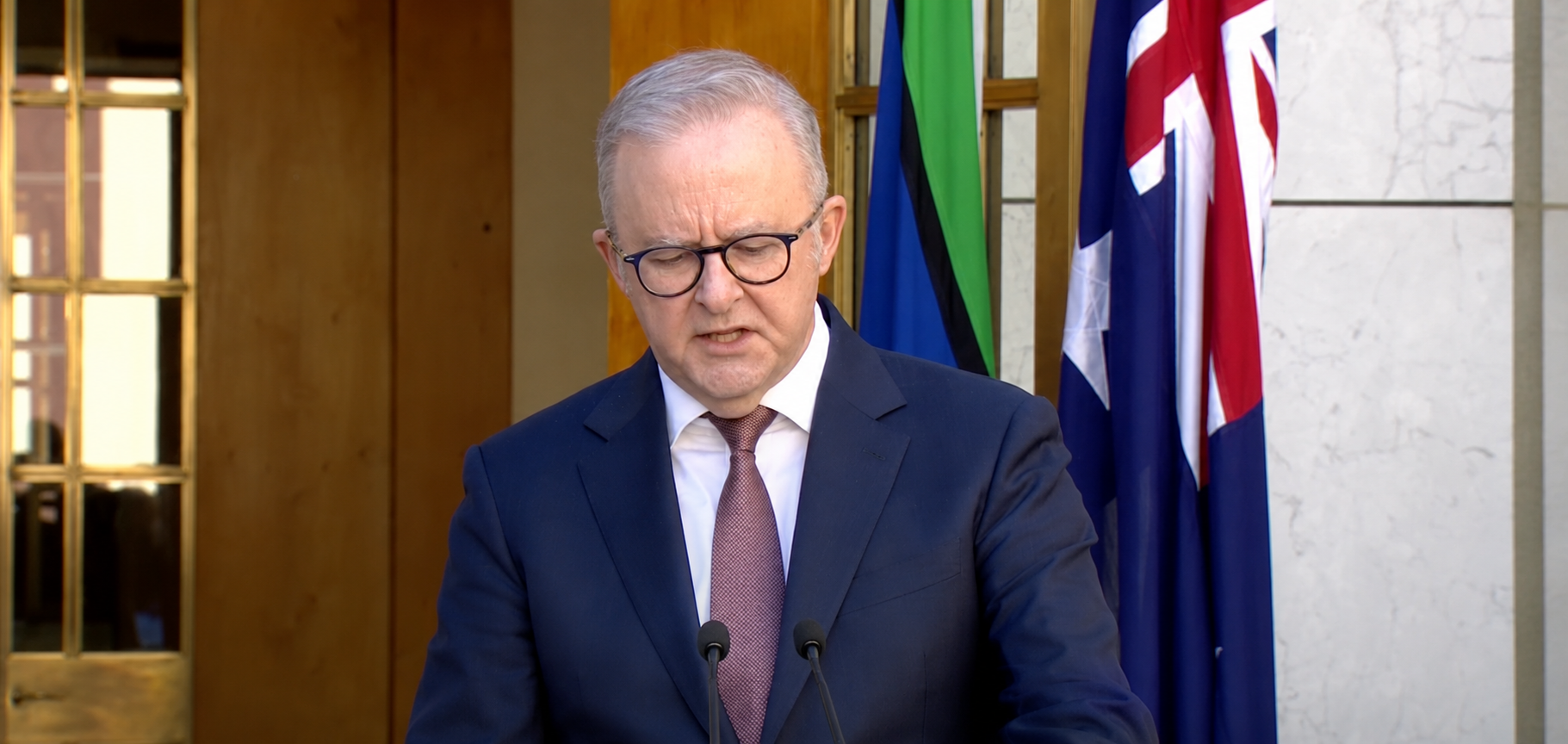
The Albanese government has proposed a new mechanism called the News Bargaining Incentive. In practical terms, it works like a financial stick designed to encourage major platforms to reach voluntary commercial deals with Australian news organisations.
If eligible companies do not strike enough deals with publishers, they could be charged a 2.25% levy on revenue earned in Australia. That makes the proposal a powerful negotiating tool, not just a symbolic warning.
The measure would apply to companies that:
- operate significant search or social media services in Australia, and
- generate more than A$250 million in annual local revenue.
The government says the scheme would begin in the 2025–26 financial year from 1 July, giving platforms limited time to decide whether paying publishers is preferable to paying the state.
Why Australia says big tech should pay for journalism
The core argument from Canberra is straightforward: large digital services benefit from journalism, even if they do not always produce it themselves.
News reporting helps fill feeds, shape search demand, fuel discussion, and keep users engaged on major platforms. That engagement, in turn, supports advertising businesses and broader platform ecosystems. In the government’s view, journalism creates real commercial value, and the companies capturing much of that value should return some of it to the organisations doing the reporting.
Communications Minister Anika Wells has framed the issue bluntly: platforms should either negotiate deals with news organisations or pay more. That message is designed to leave little ambiguity about Canberra’s intention.

The government has also said that any proceeds raised through the levy would be directed back to news companies to support Australian journalism. Distribution would be tied to newsroom employment, with stronger offsets available for deals involving smaller publishers. That detail matters because it suggests the scheme is not meant only to preserve major media groups, but also to help regional and independent outlets with fewer commercial options.
Who would be affected by the 2.25% levy?
The companies most obviously in focus are Meta, Google, and TikTok. All three play major roles in how Australians discover, share, and consume information online.
Still, the law is being framed around service type and revenue threshold rather than naming companies alone. That gives the proposal a broader policy rationale: it targets market power in search and social media rather than building a rule around one specific dispute.
Notably, artificial intelligence platforms are excluded from this levy because the government says they are being regulated separately. That carve-out highlights how fast the digital policy landscape is splintering. Search, social, and AI may all depend on news in different ways, but Australia is choosing to deal with them through different regulatory channels.
Why the 2021 Australian bargaining code is being replaced
Australia’s latest move did not appear out of nowhere. It follows the country’s 2021 news media bargaining rules, which were internationally watched as one of the first major efforts to force platforms and publishers into payment negotiations.
Those rules helped trigger deals between tech companies and media businesses, but the government now argues the framework is no longer working effectively. One reason is that platforms have adapted, changed strategy, or allowed key arrangements to expire.
That is especially relevant in Meta’s case. The company previously blocked news in Australia during an earlier showdown, before later reaching agreements with media companies. But those deals expired in 2024, reopening the political and commercial battle.
In other words, the government appears to have concluded that a bargaining framework without enough credible financial pressure can weaken over time. The proposed levy is meant to restore that pressure.
The broader battle: platform power, sovereignty, and media sustainability
At one level, this is a dispute about payments. At another, it is about power.
Australia is effectively saying that if foreign-owned digital platforms capture large amounts of revenue and audience attention in the local market, they cannot simply decide on their own terms whether Australian journalism deserves support. That is why Prime Minister Anthony Albanese has framed the proposal as a sovereign decision made in Australia’s national interest.
That framing is important. It turns the debate from a narrow industry quarrel into a question of democratic resilience and economic self-determination. If a country believes journalism is essential civic infrastructure, then relying on the goodwill of multinational platforms may look increasingly risky.
Supporters of the plan argue that journalism becomes unsustainable when platforms capture digital advertising and audience relationships but do not adequately compensate the organisations producing news. The result, they warn, is fewer reporters, thinner local coverage, and weaker public-interest accountability.
How media companies are responding
The proposal has backing from several major Australian media organisations, including Nine, ABC, and News Corp Australia. For publishers, the logic is simple: platforms derive value from the circulation and visibility of news, so they should contribute financially to the ecosystem they benefit from.
Many in the industry also see the smaller-publisher offset structure as one of the proposal’s more important features. Large publishers have more bargaining leverage and stronger brands, but local and regional outlets often provide the reporting that communities cannot easily replace. If the funding formula genuinely rewards newsroom employment and supports smaller outlets, it could help address one of the biggest criticisms of earlier bargaining models: that they tended to favour the biggest incumbents.
What Meta, Google, and TikTok are saying
Meta’s position
Meta has pushed back hard on the underlying logic. The company rejects the idea that it is simply taking publisher content in a way that justifies this kind of payment regime. It has also argued that the levy would amount to a government-administered subsidy model, rather than a market-based commercial arrangement.
That argument is consistent with Meta’s broader strategy in recent years. The company has repeatedly signaled that news is a relatively small part of user engagement compared with video, creator content, and private sharing, and it has tried to reduce the idea that its services depend heavily on publisher output.
Google’s position
Google has also opposed the proposed tax while saying it is reviewing the draft legislation. Google has historically taken a somewhat more deal-oriented approach than Meta in some markets, but it still resists frameworks that can be interpreted as targeted taxes on its business model.
TikTok’s position
TikTok declined to comment, but its inclusion is notable. Even though TikTok is not traditionally thought of first as a news platform, it increasingly plays a role in discovery, commentary, and viral distribution of current events. Australia appears to be signaling that influence over information flows matters, even when a platform’s core format is short-form video rather than links or search results.
Could this spark international tension with the United States?
Yes, and that may become one of the most consequential parts of the story.
The Trump administration has opposed digital services taxes aimed at large US technology companies, arguing that such measures unfairly target American firms. Even when countries describe these policies as media support or competition regulation, Washington has often viewed them through the lens of trade discrimination.
That means Australia’s levy proposal could create friction beyond domestic media policy. If the measure is seen internationally as a digital tax in all but name, it could trigger diplomatic pressure or broader tensions in trade discussions.
This is part of why Albanese’s sovereignty framing matters. Canberra appears prepared to argue that supporting national journalism and shaping rules for powerful platforms operating in Australia is a domestic policy choice, not something that should be vetoed by foreign political objections.
Is this a fair journalism support mechanism, a digital tax, or both?
This is the key analytical question.
The case for calling it a journalism support mechanism:
- The levy is designed to push platforms into commercial deals with publishers.
- Money raised would be directed to news companies rather than flowing into general government revenue.
- Distribution tied to newsroom employment suggests a policy goal of preserving reporting capacity, not simply raising tax receipts.
- Greater offsets for smaller publisher deals indicate an attempt to strengthen media diversity.
The case for calling it a de facto digital tax:
- The charge is based on a percentage of local revenue.
- It specifically targets large search and social media platforms above a revenue threshold.
- Platforms can reasonably argue that a government-imposed levy, even with policy goals attached, functions as a tax instrument.
- Its structure creates international trade and diplomatic risks similar to other digital services taxes.
The most honest answer may be that it is both. It is a journalism support mechanism implemented through tax-like pressure. That hybrid design is exactly what makes it politically potent and legally sensitive.
What happens next?
The next phase will likely revolve around negotiation, lobbying, and legislative refinement.
Platforms will examine whether cutting deals is cheaper and strategically safer than absorbing or contesting the levy. Publishers will push for a model that does not leave smaller newsrooms behind. The government will need to show that the policy is enforceable, proportionate, and defensible both economically and diplomatically.
Key issues to watch include:
- whether the final levy remains at 2.25%
- how “significant” search or social media services are defined
- how newsroom employment is measured for distribution purposes
- whether enough smaller publishers gain meaningful access to support
- how aggressively Meta and Google challenge the framework publicly or legally
- whether international pressure intensifies once legislation advances
Why this story matters beyond Australia
Australia has often served as a testing ground for digital platform regulation. What happens here will be closely watched by governments, publishers, and tech firms elsewhere.
If the policy succeeds, it could become a model for countries seeking to rebalance the economics of news without relying entirely on direct state subsidies. If it fails, critics will say it proves that governments cannot sustainably force platforms to underwrite journalism in open digital markets.
Either way, the debate goes beyond Australia. It speaks to a global problem: journalism remains socially essential, but its business model has been weakened by digital distribution systems that reward scale, engagement, and ad targeting more than original reporting.
Bottom line
The proposed Australia big tech levy for local news deals is not just another policy announcement. It is a high-stakes attempt to force a new settlement between governments, publishers, and digital gatekeepers.
Meta, Google, and TikTok now face a clear message from Canberra: if journalism helps power your platforms in Australia, then supporting the local news ecosystem should not be optional. Whether this ends up functioning mainly as a fair bargaining tool, a digital tax, or a precedent-setting mix of both will determine how the next chapter of platform regulation unfolds.